

Plastic Surgery Options for Face and Body Contouring
Cosmetic procedures have evolved dramatically over recent decades, driven by continuous innovation in surgical methods, refined patient care standards, and a broader cultural acceptance of body modifications. Individuals seeking to alter their physical traits now have access to a sophisticated array of customized surgical options designed to address precise structural goals. From delicate facial reshaping to extensive body sculpting, modern techniques prioritize natural movement, minimal residual marking, and long-term tissue stability. A thorough understanding of anatomical considerations, surgical expectations, and mandatory post-operative care serves as the essential baseline for any prospective patient contemplating these life-changing transformations.
Beyond the physical changes, undergoing cosmetic refinement represents a significant personal journey that requires careful planning and realistic expectation management. Patients often navigate complex decisions regarding target areas, downtime requirements, financial commitments, and surgeon qualifications before proceeding with an operative plan. Working alongside board-certified specialists ensures that every procedure is tailored to complement the individual's natural structural framework rather than imposing artificial proportions. As global interest in personal appearance and physical wellness continues to expand, prospective clients must remain fully educated on both the transformative benefits and inherent medical considerations when selecting plastic surgery to refine their appearance.
Reshaping Facial Symmetry
Facial aesthetic operations focus on improving structural balance while preserving the distinct expressions that define an individual's identity. Rhinoplasty, commonly recognized as a nose adjustment, stands as a primary example of how plastic surgery can refine the central framework of the face to create harmonious overall proportions. By subtly adjusting bone structures and cartilage tissue, surgeons can correct asymmetry, refine nasal contours, or improve respiratory airflow obstructed by internal deviations. These procedures have become increasingly popular due to advancements in medical technology and a heightened cultural emphasis on aesthetics. According to the International Society of Aesthetic Plastic Surgery, more than 20.5 million aesthetic procedures were performed worldwide in 2024, highlighting the growing interest in body and facial enhancements.
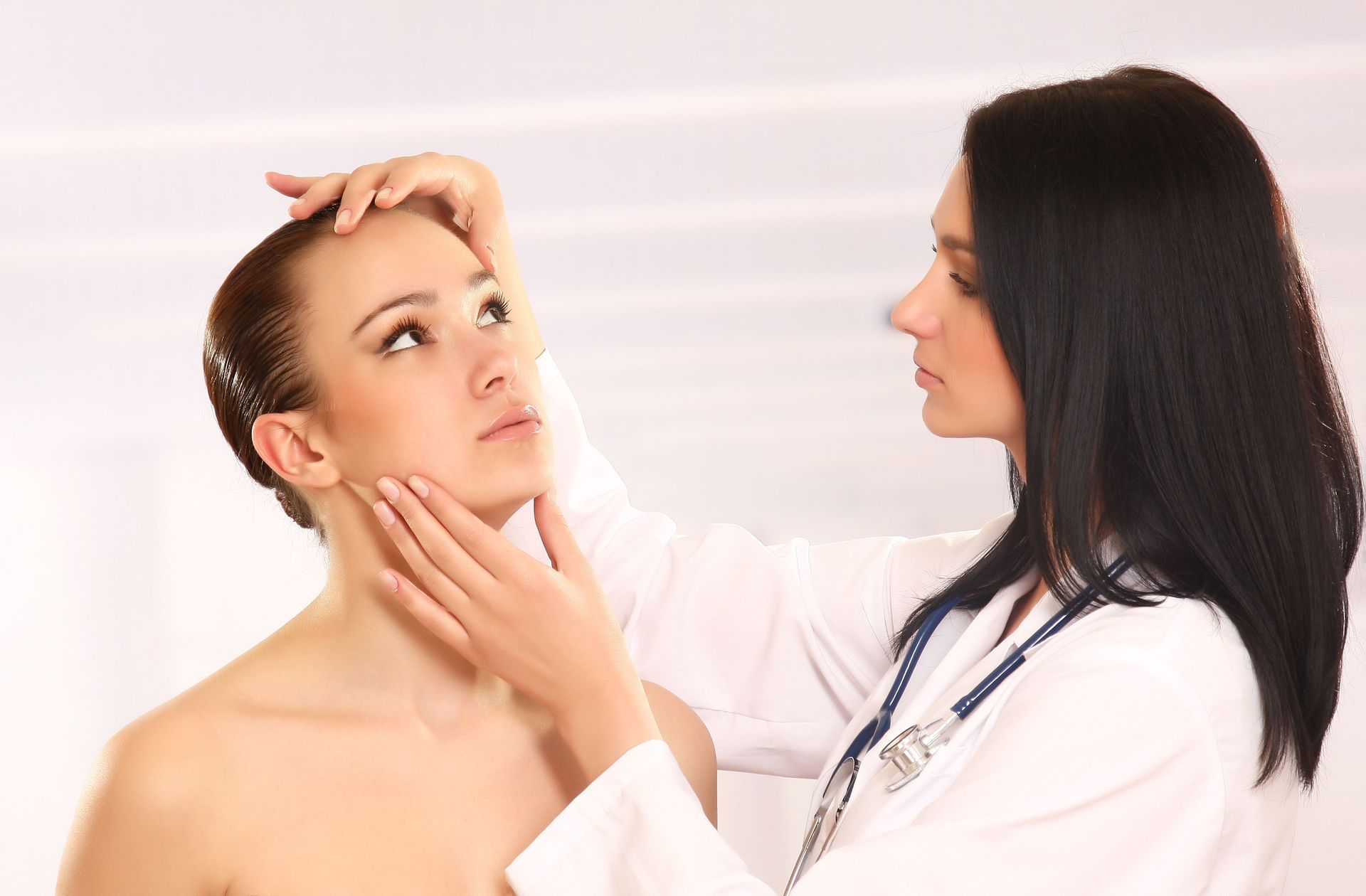
Achieving a balanced profile through facial operations requires an intricate understanding of underlying anatomy and tissue elasticity. Beyond structural reshaping of the nose, comprehensive facial operations frequently address age-related volume changes and sagging skin along the midface and jawline. Techniques such as deep-plane facelifts or targeted chin augmentations elevate underlying musculature to re-establish crisp angles without creating a pulled or artificial appearance. Recovery timelines vary based on the extent of tissue modification, but adhering to structured aftercare instructions remains essential across all facial protocols to ensure proper healing, minimize bruising, and secure elegant, lasting results.
Refreshing Upper Facial Features
The upper third of the face, particularly the delicate region surrounding the eyes, often displays early signs of chronological aging, environmental exposure, and stress. Eyelid operations, technically known as blepharoplasty, directly address tissue laxity, structural puffiness, and drooping skin that can create a permanently tired or prematurely aged facial expression. By removing tiny portions of redundant dermis and repositioning underlying orbital fat deposits, plastic surgery restores a refreshed, alert appearance while keeping incision lines neatly concealed within natural skin folds. This high-level precision prevents disruption to delicate ocular function while dramatically brightening the upper facial architecture.
Complementing eyelid adjustments, midface procedures and brow repositioning can further harmonize the upper facial region for a comprehensive rejuvenation outcome. Restoring subtle volume along the cheekbones or lifting heavy brow tissue alleviates structural strain around the orbits, often widening the visual field while smoothing deep horizontal creases. Patients choosing upper facial refinements benefit from detailed pre-operative consultations where precise measurements determine the ideal degree of tissue elevation. When performed by experienced hands, these subtle structural adjustments yield a naturally energetic appearance that aligns smoothly with a patient's overall facial dynamics.
Sculpting Core Abdominal Contours
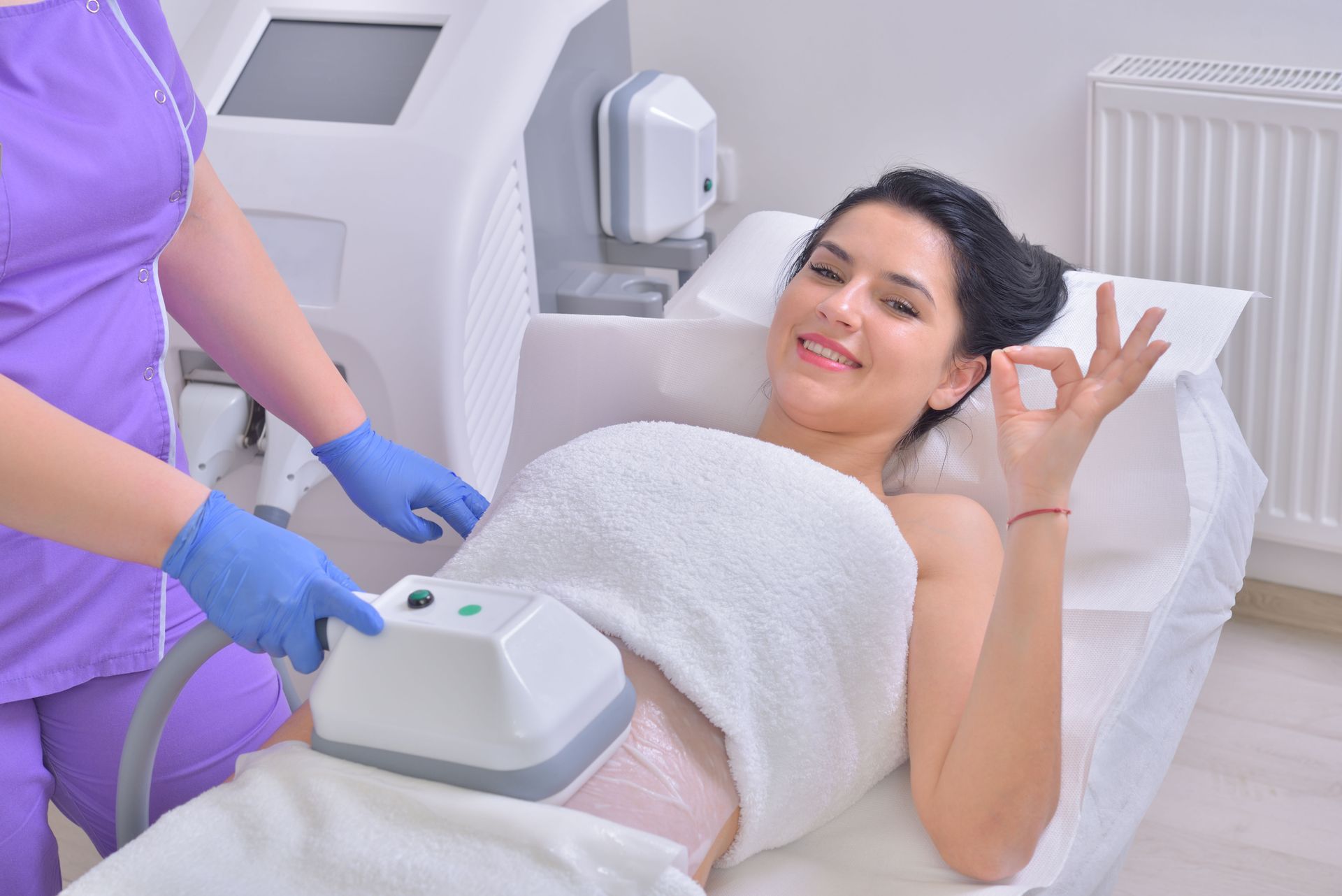
Body contouring procedures cater to individuals aiming to refine regions that resist change despite dedicated physical fitness and strict nutritional habits. Among these, abdominal operations like abdominoplasty, or tummy tucks, provide a structural solution for severe skin laxity, stretched muscle fascia, and persistent fat deposits resulting from pregnancy or significant weight fluctuation. During this complete midsection overhaul, plastic surgery repairs the internal abdominal walls, which are tightly re-stitched along the midline while excess dermal tissue is carefully removed to construct a firm, smooth, and athletic torso profile.
To achieve ideal torso proportions, surgeons frequently combine abdominal tightening with high-definition fat suctioning around the flanks and waistline. This multi-layered surgical strategy carves out narrow waistlines while ensuring the remaining skin drapes smoothly over the underlying muscular framework. Given the comprehensive nature of core restructuring, the initial recovery period requires dedicated downtime, compression garment compliance, and strict limitation of strenuous physical activities. However, the long-term payoff remains exceptionally high, as patients gain a permanently restored core structure and a significantly enhanced personal silhouette.
Defining Targeted Body Outlines
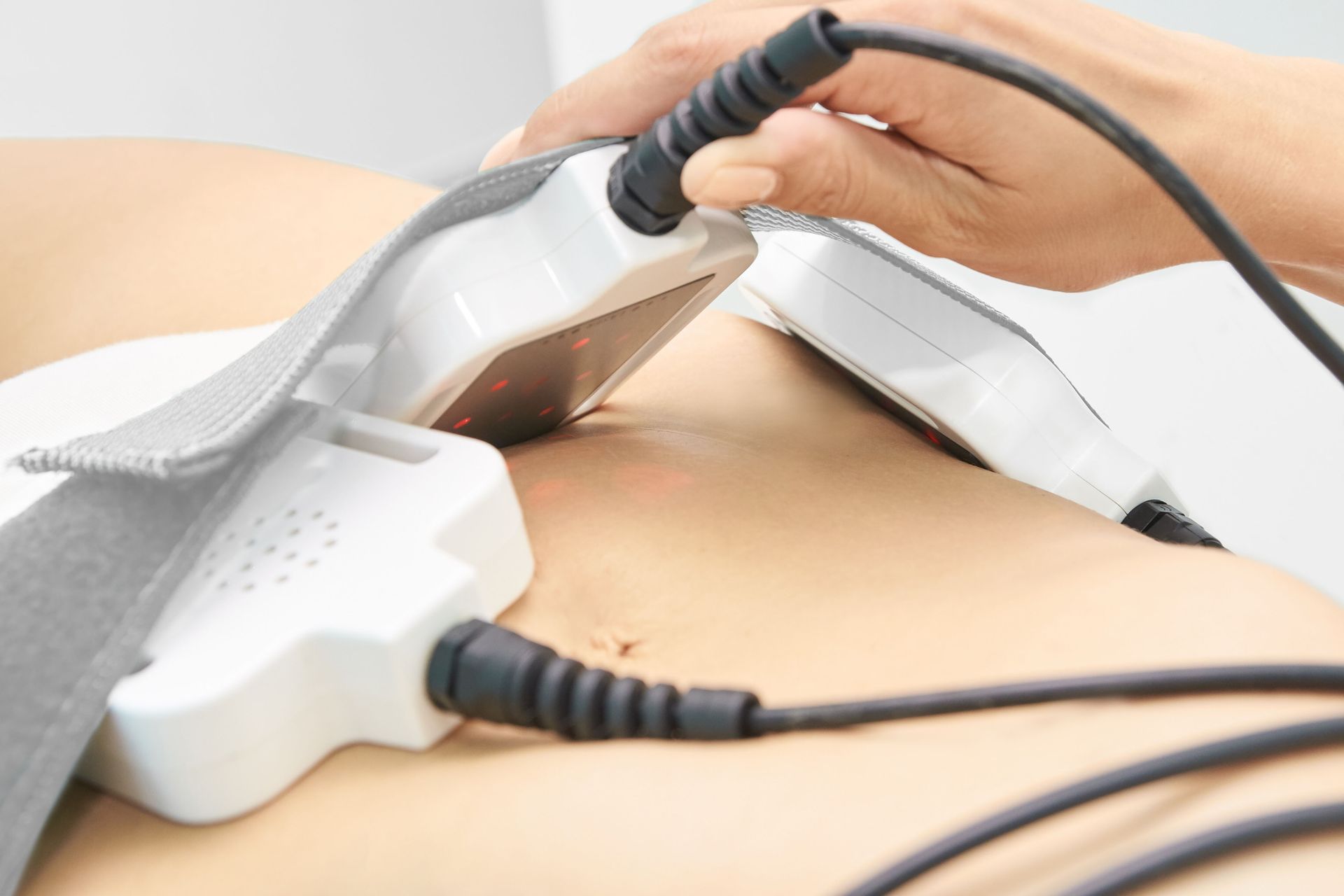
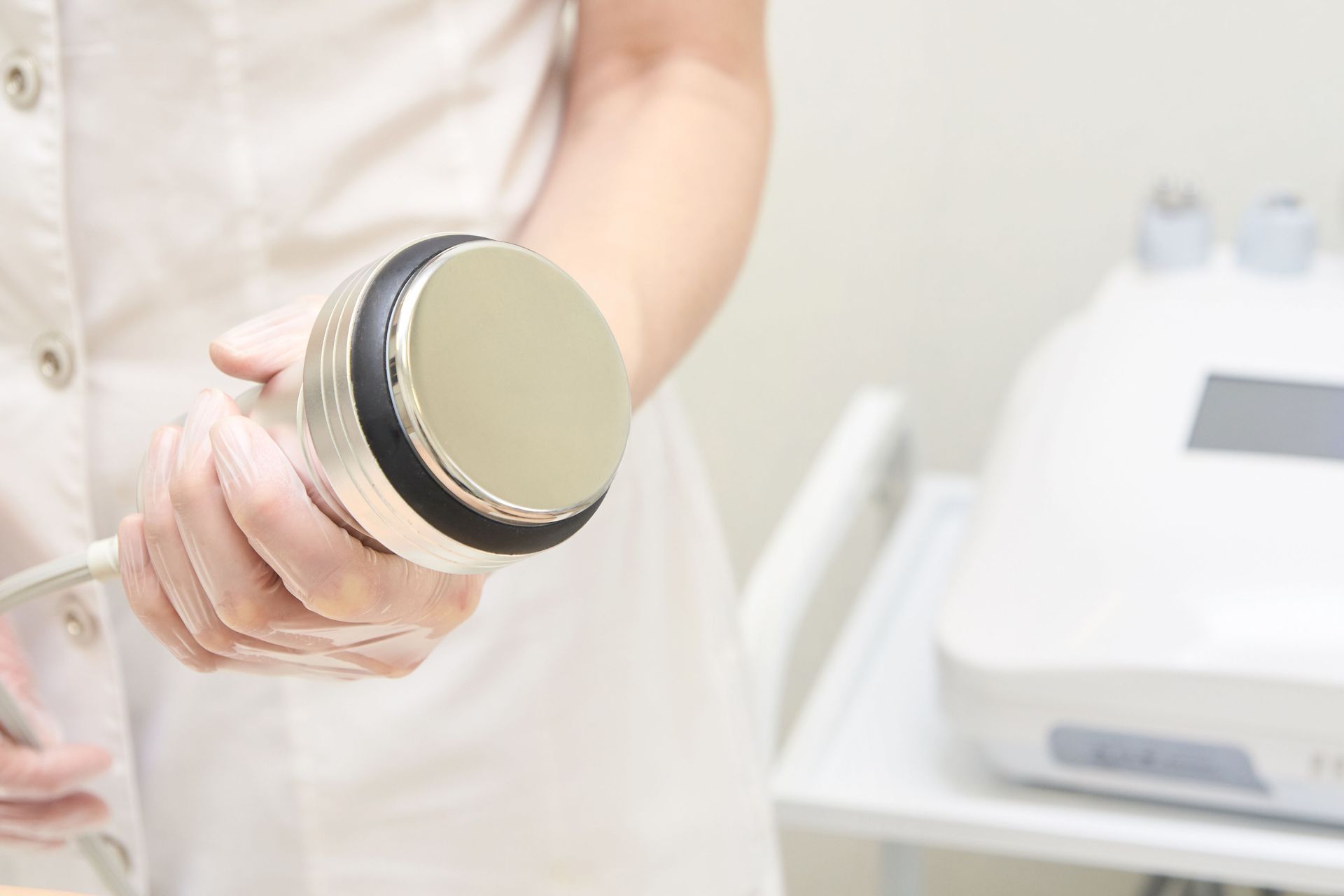
Addressing localized adipose deposits across distinct areas like the hips, thighs, arms, and back requires targeted fat reduction techniques designed to refine stubborn contours. Advanced suctioning methods, utilizing ultrasound or laser assistance, liquefy localized fat pockets before gentle extraction, allowing surgeons to craft smoother transitions between adjoining body regions. These refined extraction strategies minimize damage to surrounding vascular structures, thereby reducing post-operative swelling and accelerating the overall timeline for tissue recovery.
Beyond simple fat reduction, comprehensive body contouring frequently involves lifting and tightening sagging dermal tissue across the limbs and torso. Procedures such as brachioplasty for the upper arms or thigh lifts eliminate loose, hanging folds, transforming overall body symmetry and making daily movement far more comfortable. Patients contemplating targeted body sculpting through plastic surgery must recognize that these operations are designed for structural refinement rather than broad weight management. Maintaining a stable body weight post-operation remains vital to preserving the streamlined contours achieved through these delicate surgical interventions.
Elevating Lower Body Volumes
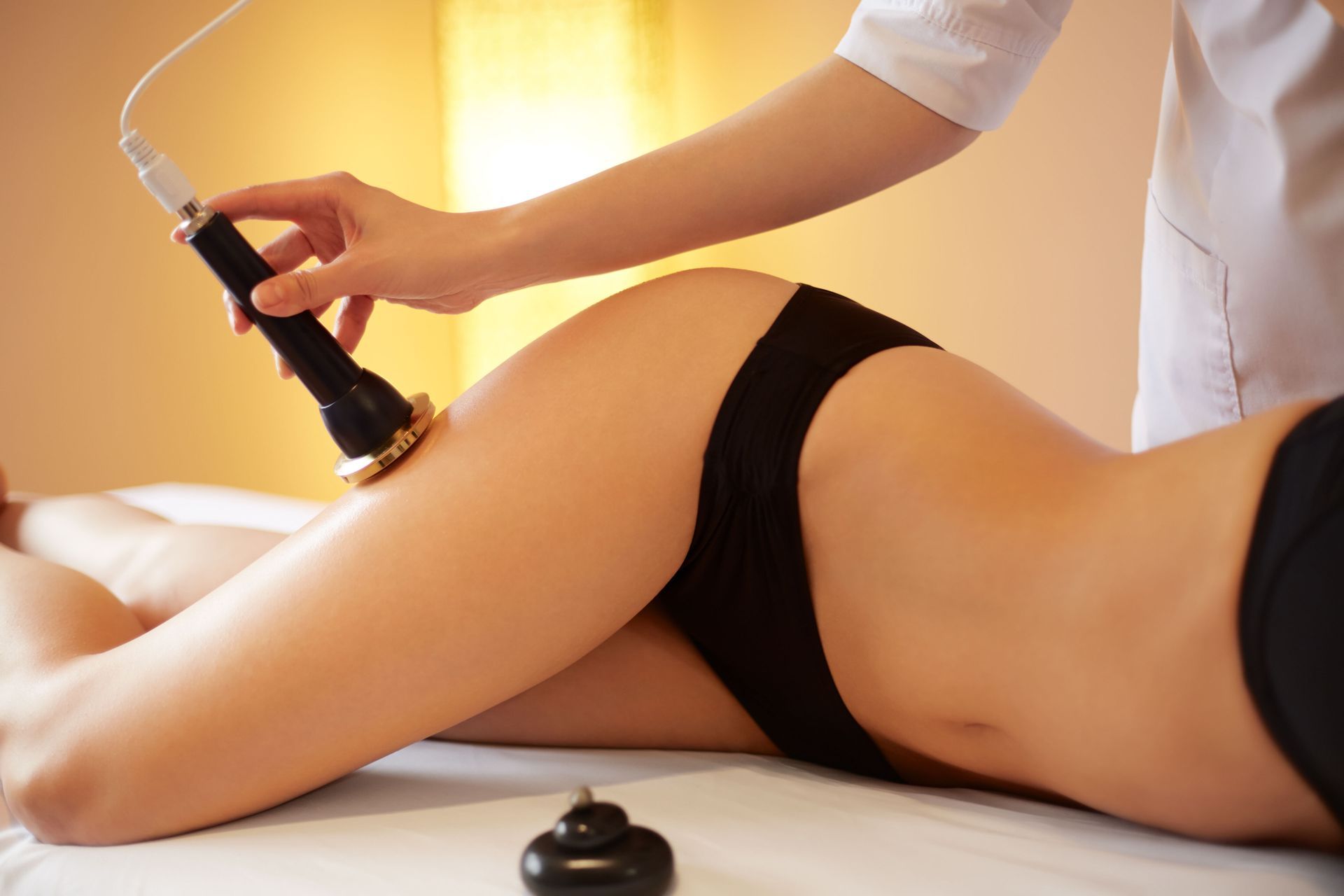
Lower body enhancement has seen a significant evolution, expanding beyond simple skin removal to incorporate advanced volume restoration and projection techniques. Buttock augmentation procedures, whether utilizing organic fat transfer principles or specialized internal implants, allow individuals to achieve balanced, proportionate lower body curves that align naturally with their overall frame. The fat transfer method, widely known as a Brazilian Butt Lift, offers the dual benefit of slimming secondary donor sites via targeted fat removal while simultaneously building smooth, natural volume in the gluteal region.
For candidates lacking sufficient donor fat, specialized prosthetic implants provide a predictable and durable structural alternative for creating rounded, lifted contours. Regardless of the chosen method, lower body reshaping via plastic surgery demands strict adherence to post-operative protocols, including avoiding direct sitting pressure on treated regions during the early recovery phase to ensure optimal fat graft survival or proper implant settlement. When executed with surgical mastery and rigorous safety protocols, lower body augmentation creates striking, balanced proportions that harmoniously complement the upper body framework.
Taking the initial step toward aesthetic refinement requires expert guidance, transparent medical advice, and a dedicated team committed to patient safety and artistic excellence. At Dr. Noel Tenenbaum, M.D.P.A, our highly qualified specialists combine advanced surgical mastery with a deeply personalized approach, ensuring that every treatment plan reflects your unique anatomical goals and personal expectations. From your primary consultation through every phase of post-operative recovery, our clinical staff provides complete support, ensuring you feel fully informed, comfortable, and confident throughout your transformational experience.
Selecting a premier aesthetic care provider is the cornerstone of achieving beautiful, natural-looking results that stand the test of time. Our state-of-the-art facility features cutting-edge medical technology and adheres to the most stringent safety protocols when delivering personalized plastic surgery, offering you peace of mind alongside exceptional clinical care. Whether you are seeking subtle facial rejuvenation or comprehensive body contouring, our team is prepared to turn your personal vision into reality. Reach out to us today to schedule your private consultation and discover how our customized procedures can help you achieve your aesthetic aspirations.




Share On: