

What Can a Face Lift Change About Your Appearance?
Aging is a natural process, but the visible changes it creates do not always reflect how a person feels. Skin may become looser, facial contours may lose definition, and areas around the cheeks, jawline, and neck may begin to look different over time. For people who are bothered by these changes, cosmetic surgery can provide options for creating a more refreshed appearance while maintaining recognizable facial characteristics.
A face lift is designed to address several visible signs of facial aging rather than simply changing one isolated feature. The procedure may improve loose skin, shifting facial tissues, and reduced definition in the lower portion of the face. Understanding what surgery can realistically change can help patients develop appropriate expectations and make informed decisions about whether treatment aligns with their cosmetic goals.
Understanding Changes in Facial Aging
Facial aging involves much more than changes at the surface of the skin. Over time, skin elasticity can decrease, underlying tissues may shift, and facial fat may change in volume or position. These developments can affect the relationship between the cheeks, jawline, chin, and neck. Genetics, sun exposure, lifestyle habits, and natural differences in facial structure can also influence how these changes appear.
A face lift may address several of these concerns at the same time by improving the position of facial tissues and reducing excess skin where appropriate. Rather than focusing exclusively on wrinkles, surgery can help restore smoother transitions between different areas of the face. This broader approach is one reason the results can look more balanced than treatments that focus only on the skin’s surface.
The goal is generally not to make someone look like a different person. Instead, cosmetic facial surgery is often intended to create a refreshed version of the patient’s existing appearance. Individual anatomy plays an important role in determining which changes are possible and which surgical approach may be appropriate.
Understanding Changes in the Jawline
The jawline is one of the areas where aging can become particularly noticeable. As skin and underlying tissues lose firmness, the once-clear transition between the lower face and neck may become less defined. Jowls can develop along the jaw, altering the overall shape of the lower face and making its contours appear heavier.
By repositioning tissues and addressing loose skin, a face lift can create greater definition along the jawline. The resulting change may help the lower face appear smoother and better proportioned without creating an unnaturally tight appearance. Surgical planning takes the patient’s bone structure, skin quality, tissue distribution, and overall facial proportions into consideration.
Improving the jawline can also affect the appearance of nearby areas. Because facial features work together visually, greater definition around the lower face may create a more balanced transition from the cheeks to the chin and neck. This can make the overall result noticeable without necessarily making it obvious that cosmetic surgery was performed.
Understanding Changes in the Cheeks
Changes in the cheeks can influence the appearance of the entire face. Youthful facial contours are partly created by the position and distribution of soft tissue. As these tissues shift with age, the cheeks may appear flatter or lower, while folds around the lower portion of the face can become more prominent.
A face lift may help improve the position of these tissues, creating smoother and more natural-looking facial contours. The objective is not necessarily to create dramatically fuller cheeks. Instead, surgery can help improve the way the cheek area transitions into the lower face, which may produce a more rested and refreshed appearance.
These changes can also soften the impression of heaviness in the lower face. When facial tissues are evaluated as part of a complete structure rather than as isolated areas, the surgeon can consider how an adjustment in one region will affect surrounding features. This comprehensive perspective is important for maintaining natural proportions and avoiding an overcorrected appearance.
Understanding Changes in the Neck
The face and neck are closely connected aesthetically, which means changes in one area can influence how the other is perceived. Loose skin beneath the chin, reduced definition between the jaw and neck, and changes in underlying tissues can make facial aging appear more pronounced. Some patients are especially concerned about their profile because these changes may be visible from multiple angles.
Depending on the surgical plan, a face lift can improve the transition between the lower face and neck. Addressing loose tissues around this area may create a cleaner contour beneath the jaw and a smoother overall profile. The specific degree of improvement varies because every patient begins with different skin characteristics, anatomy, and patterns of aging.
A well-planned procedure should also account for harmony between the face and neck. Treating one area without considering the other could create an imbalance in appearance. Evaluating these regions together allows the surgical plan to focus on continuity, helping the visible changes look cohesive rather than isolated.
Understanding Changes in Skin Appearance
Although facial surgery can improve loose or sagging skin, it is important to distinguish these concerns from skin texture. Fine surface lines, pigmentation, sun damage, and other textural changes may not respond to surgery in the same way that excess skin or displaced tissues do. Patients should understand these differences when considering their desired outcome.
A face lift primarily changes facial contours by addressing structural signs of aging. Smoother contours can make the skin appear firmer, but surgery does not necessarily eliminate every line, pore, spot, or textural irregularity. Depending on a patient’s concerns, other cosmetic treatments may sometimes be discussed separately to address the skin’s surface.
Recognizing these limitations can contribute to more realistic expectations. Cosmetic surgery tends to be most successful when the patient and surgeon share a clear understanding of what the procedure is intended to accomplish. A consultation also provides an opportunity to identify which visible concerns are related to tissue laxity and which may require a different approach.
Understanding Changes in Overall Expression
People sometimes worry that cosmetic facial surgery will alter their expressions or make them look noticeably different. Modern surgical planning generally emphasizes preserving individual features while improving age-related changes. The desired result is often subtle enough that others notice a refreshed appearance rather than immediately identifying a specific procedure.
Social attitudes toward cosmetic treatment have also evolved. According to Brenton Way, 79% of Americans report that they would not judge another person for choosing cosmetic work. This suggests that aesthetic procedures may be viewed with greater acceptance by many people, although the decision to undergo surgery remains highly personal.
A face lift can influence how rested, refreshed, or defined the face appears, but the patient’s natural features remain central to the outcome. Facial expressions depend on a complex combination of muscles, anatomy, and individual characteristics. Thoughtful surgical planning focuses on improving visible aging while respecting those characteristics instead of attempting to replace them.
Understanding the Overall Impact
Facial rejuvenation is highly individualized because people age differently and have different expectations for cosmetic treatment. One person may be primarily concerned about jowls, while another may notice loose skin around the lower face and neck. A thorough evaluation helps determine which concerns can reasonably be addressed through surgery.
The results of a face lift may include improved jawline definition, smoother facial contours, repositioned tissues, and a more cohesive transition between the face and neck. However, good outcomes are not defined by removing every visible sign of aging. A natural result should complement the patient’s anatomy and preserve the features that make the person recognizable.
Understanding both the possibilities and limitations of surgery is an important part of making an informed choice. Patients can benefit from discussing their priorities, medical history, expectations, and questions with a qualified medical professional before deciding whether cosmetic facial surgery is appropriate for them.
Understanding Your Treatment Options
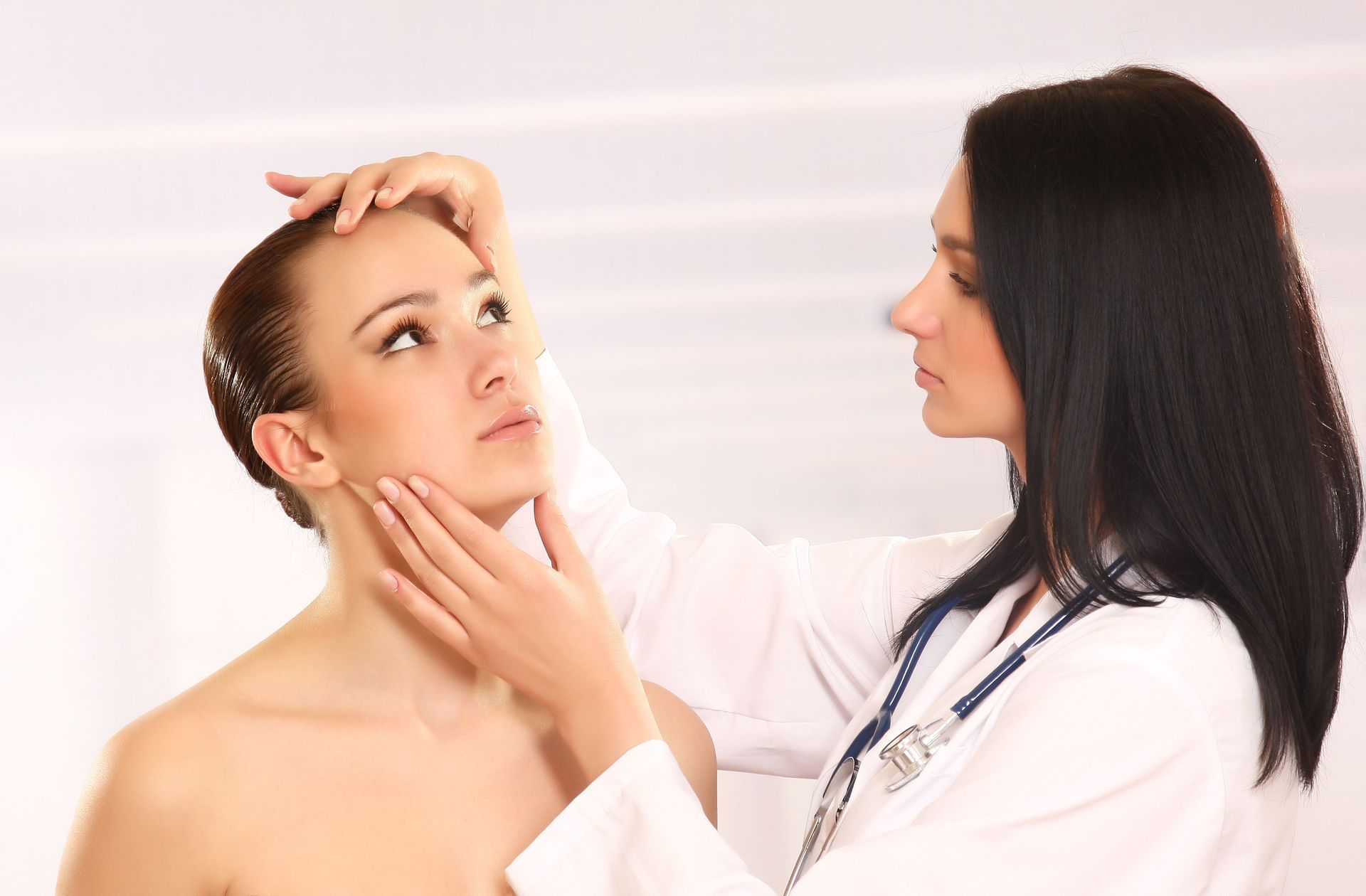
If changes in your cheeks, jawline, lower face, or neck are affecting how you feel about your appearance, a professional consultation can help clarify which options may be suitable for you. At Dr. Noel Tenenbaum, M.D.P.A., we can evaluate your individual concerns, discuss your goals, and explain what surgical treatment may realistically achieve. Contact us to learn more about your options and determine whether facial rejuvenation aligns with the results you hope to achieve.




Share On: